Florida
Immigration Enforcement Children Health: How Federal Operations Impact Pediatric Care
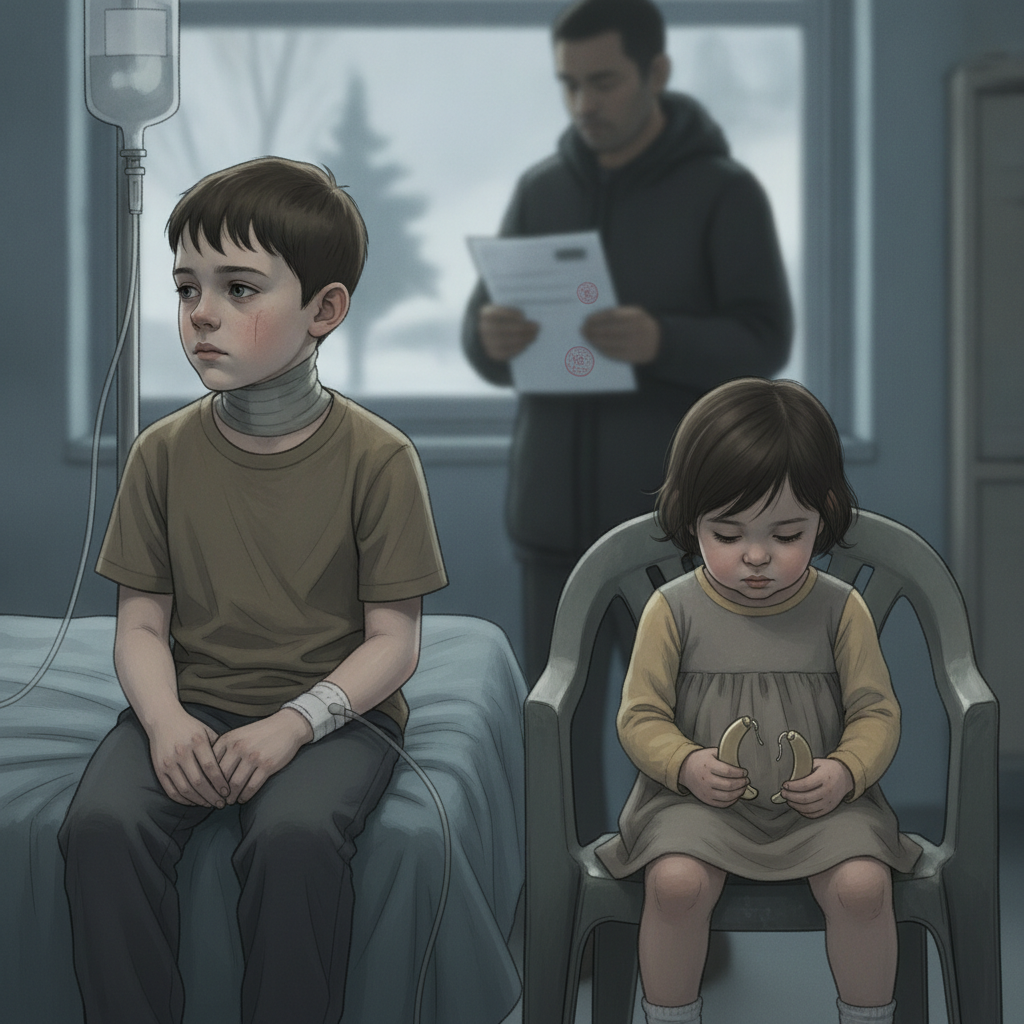
In Minnesota, an elementary schooler has gone without surgery to treat a rare, life-threatening neck infection that isn’t responding to antibiotics. Another young child can’t use their hearing aids because the family ran out of batteries and hasn’t come to…

Last updated:
Key points
- Heightened federal immigration enforcement actions correlate with notable drops in pediatric medical appointments across several states.
- Survey data of nearly 700 healthcare professionals found 84 percent observed declines in pediatric visits following new enforcement rules.
- Physicians warn that delayed routine care often turns minor ailments into advanced, costly emergency room visits funded by taxpayers.
NewsWK — Heightened border security and domestic enforcement operations continue to shape daily routines nationwide. However, doctors report that stepped-up deportations coincide with rising cancellations at pediatric clinics. Parents without legal status increasingly keep their households at home. Consequently, many families skip vital medical care for their young dependents.
Why it matters here
Immigration enforcement policies directly intersect with local healthcare systems, public health budgets, and emergency room resources. When treatable childhood illnesses go unaddressed, communities later shoulder heavier emergency care costs. Furthermore, missed immunizations and untreated contagious conditions pose broader public health challenges for local schools and neighborhoods.
How does immigration enforcement affect children’s health?
Immigration enforcement directly harms children’s health by driving fearful parents away from medical facilities. Routine checkups, immunizations, and surgical procedures drop sharply whenever arrests increase. For example, federal records show Immigration and Customs Enforcement made 51,000 arrests in July alone. As a result, clinics across the country saw steep declines in pediatric visits.
Healthcare facilities across several states observe that apprehension fears ripple directly into examination rooms. At Children’s Minnesota, physicians noted acute disruptions during regional operations. For example, Dr. Asitha Jayawardena treated children whose critical surgeries faced multi-month delays. He noted that parents feared federal agents near clinics.
“Without a doubt, it oscillates between being infuriating and absolutely disheartening,” Dr. Jayawardena stated regarding the hesitation among families needing urgent pediatric interventions.
ICE arrests pediatric care fallout and clinic declines
Pediatric visits drop sharply during enforcement operations because undocumented families avoid public travel. When federal agents deploy locally, appointment cancellations surge immediately. For instance, Minneapolis records showed that Spanish-speaking households missed clinical visits at an 80 percent higher rate during regional actions involving 3,000 personnel.
Moreover, this disruption extended across several core medical categories:
- Routine childhood immunizations and developmental screenings
- Chronic disease management, such as daily asthma inhaler therapies
- Specialized surgical care for progressive infections and hearing impairments
- Prescription refills for attention deficit hyperactivity disorder and behavioral therapies
Similarly, comparable trends emerged in agricultural hubs. At Treasure Coast Community Health in Indian River County, Florida, administrators recorded nearly 500 pediatric cancellations after local operations. Therefore, that total represented roughly 16 percent of scheduled visits across northern clinic locations.
Why are immigrant families skipping healthcare services?
Immigrant families skip healthcare visits primarily out of fear regarding government surveillance and immigration checks. Stricter federal guidelines evaluate whether applicants depend on public programs. Consequently, parents worry that Medicaid rolls or hospital intake desks share residential addresses with immigration agents. This fear prompts many households to withdraw completely from safety-net systems.
In Durham, North Carolina, pediatric clinicians saw citizen children lose access to vital prescription drugs. For instance, parents of an elementary student discontinued prescribed ADHD medication. They feared Medicaid paperwork could prompt immigration inquiries. As a result, the student experienced academic setbacks at school.
Furthermore, nationwide estimates from the Brookings Institution suggest over 146,000 U.S. citizen children had a parent detained between early 2025 and spring 2026. Pew Research Center figures show approximately 4.6 million citizen minors lived with an unauthorized parent in 2023. These mixed-status households often face sudden disruption when enforcement targets primary household earners.
Immigration crackdown pediatric health data and national trends
National survey data confirms widespread appointment delays across dozens of state jurisdictions following major crackdowns. Medical staff report that fearful families routinely miss scheduled appointments and avoid preventive care. In fact, a joint study found that 84 percent of surveyed healthcare workers witnessed noticeable declines in pediatric attendance after stricter federal executive orders took effect.
The assessment by the Migrant Clinicians Network and Physicians for Human Rights surveyed roughly 700 medical workers across 30 states. Meanwhile, emergency physicians in Missouri recounted young patients arriving unaccompanied for severe injuries, including animal bites. Fearful guardians opted to remain home, sending minors with older siblings instead.
Additionally, Amy Liebman highlighted the cascading disruption facing households when primary caregivers face federal removal proceedings. She serves as chief program officer for the Migrant Clinicians Network.
“That certainly is going to ultimately impact their health and then their ability to access care,” Liebman said regarding sudden household separations and breadwinner detentions.
Childrens Minnesota immigrant healthcare patterns reflect national realities
Trends at Children’s Minnesota mirror national patterns where delayed primary care turns manageable pediatric illnesses into severe emergencies. Research in the American Academy of Pediatrics journal highlights these serious clinical consequences. When families avoid basic checkups out of fear, minor infections often escalate. Consequently, hospital emergency rooms must treat more costly and complex conditions later.
Federal immigration authorities maintain broad legal mandates to enforce domestic statutes and protect sovereign borders. Yet, community health leaders stress that rule-of-law execution requires clear coordination with safety-net institutions. When basic pediatric care ceases, local taxpayers ultimately absorb the higher financial costs of advanced emergency treatments.
This article was produced with the assistance of AI and reviewed by our editorial team.
Sources
Related: Congress Receives New Legislation Aimed at Local Health Care Protection
Related: Sanctuary Policies Block Federal Jail Transfers as ICE Ramps Up Enforcement Across U.S. Communities
Related: Immigrant Children Healthcare Trends Shift as Families Navigate Stricter Federal Rules
See a typo? Report it here.