Local Business
SNAP Program Changes Pose Financial Challenges for States
Upcoming funding shifts in the federal food stamp program are poised to cost states billions of dollars, heightening fears that more Americans will lose access to the nation’s largest food assistance program. Last year’s One Big Beautiful Bill Act made…

Last updated:
Key points
- States will face significant financial burdens due to changes in the SNAP program that require them to fund benefits starting in 2027.
- Over 4 million Americans have already lost their SNAP benefits, increasing pressure on food assistance resources.
- Advocates are calling for Congress to delay the implementation of the new requirements to protect access to food assistance.
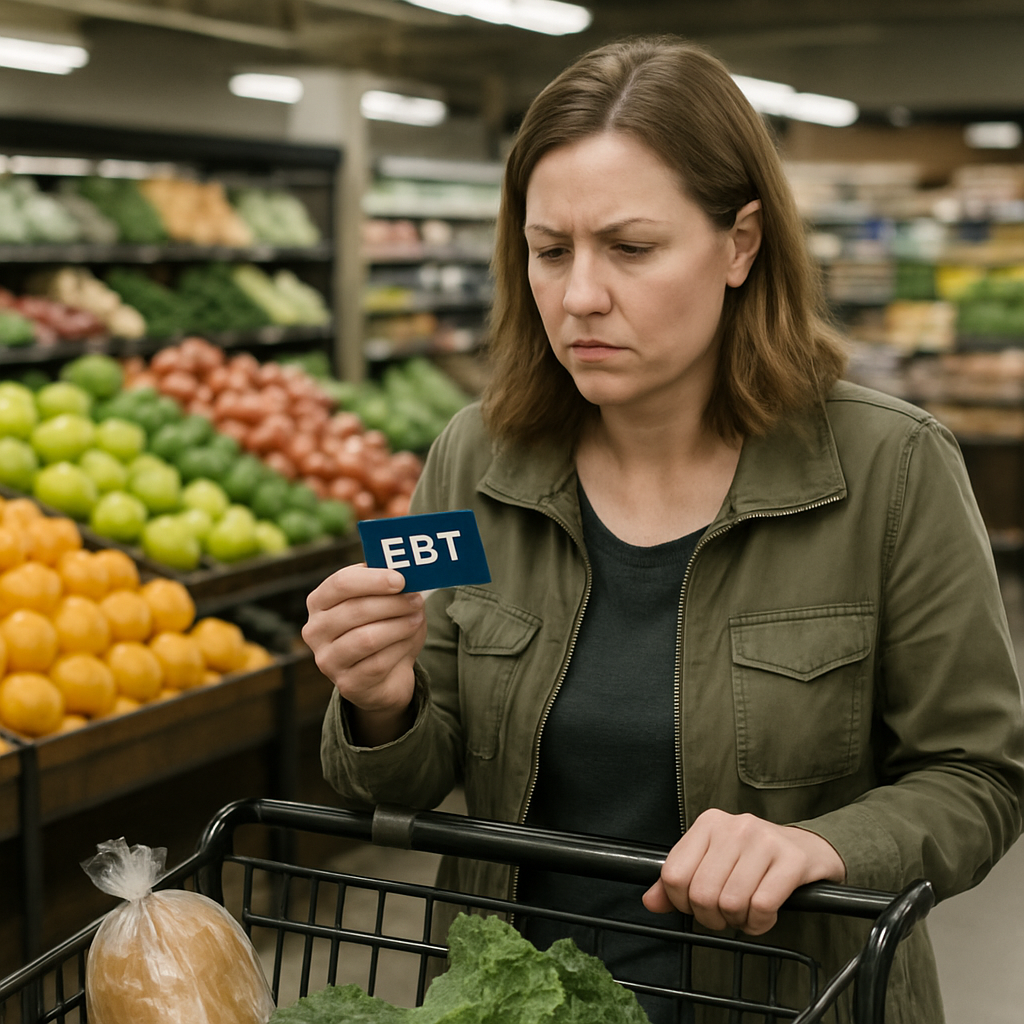
NewsWK — Upcoming changes to the federal food stamp program, known as SNAP, are expected to cost states billions, raising concerns about the potential loss of benefits for many Americans. According to a report first published by Stateline, recent legislation has introduced new eligibility and work requirements that have already resulted in over 4 million Americans losing their benefits. This shift is anticipated to strain food banks and pantries nationwide.
States Funding SNAP Benefits Face Unprecedented Costs
Beginning in fall 2027, states will be required to contribute financially to SNAP benefits for the first time, with estimates suggesting states could face costs exceeding $9 billion. This has prompted worries that states may limit access to the program or even opt out altogether. Agriculture Secretary Brooke Rollins remarked, “These payment error rates are further proof that state accountability is severely lacking in SNAP,” highlighting the need for states to improve their payment accuracy.
Food Assistance Error Rate Triggers State Penalties
Under the new law, states with payment error rates exceeding 6% will be responsible for funding a portion of their benefit payments, which could lead to significant financial burdens. States like Michigan, Texas, and New York could each face hundreds of millions to over a billion dollars in yearly costs.
Advocates for SNAP have urged Congress to reconsider these changes or at least delay their implementation, emphasizing the potential negative impact on food assistance access. New Jersey Human Services Commissioner Stephen Cha criticized the error rate measurement as “fundamentally flawed” and called for a reassessment of the new requirements. The National Association of Counties has also warned that the cost shifts could jeopardize funding for essential services such as public safety and infrastructure.
As states prepare for these changes, the focus on payment errors may inadvertently lead to delays in benefit approvals and further restrict access for those in need. This could have dire consequences for vulnerable populations as budget pressures mount in the face of rising grocery prices.
Based on reporting by Kevin Hardy originally published by Stateline. Read the original story.
Related: Democrats aim to emulate Republicans in building state power
Related: Sanctuary Policies Block Federal Jail Transfers as ICE Ramps Up Enforcement Across U.S. Communities
Related: Federal Measure Targets Double Taxation on Remote Workers Across the United States
Related: 15 States File School Mental Health Funding Lawsuit to Block Grant Cuts
Related: States Boost In-Home Caregiver Pay as Senior Demographics Surge and Workforce Strains Mount
Related: More Americans are hungry in the face of federal cuts, rising grocery prices
See a typo? Report it here.