National News
Tell the Government Once Act Aims to Cut Bureaucratic Red Tape for Moving Families
Content Files PDF XML TEXT Metadata download Descriptive Metadata (MODS) Preservation Metadata (PREMIS) All Content and Metadata files, including granules ZIP

Last updated:
Key points
- H.R. 10880 creates a single online portal through Login.gov for citizens to update their address across multiple federal agencies at once.
- The bill prohibits new fees for taxpayers and requires participating agencies to cover costs using existing operating budgets.
- The pilot program includes strict privacy controls, anti-fraud checks, a three-year GAO audit, and a five-year sunset clause.
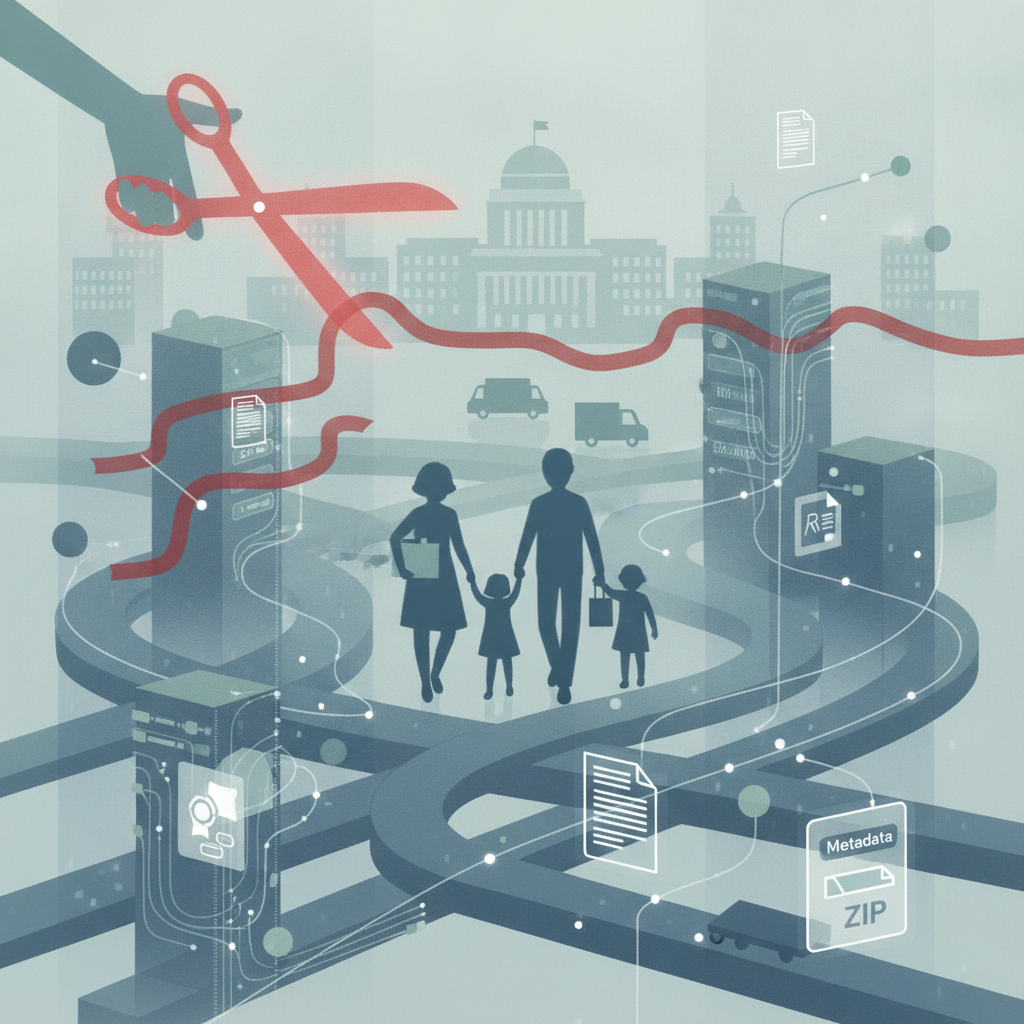
NewsWK — Moving across town or to a new state often forces Americans to navigate bureaucratic red tape across multiple federal agencies. However, a bipartisan effort in Congress aims to eliminate that unnecessary hassle for families. Representative Young Kim introduced legislation to establish a single, secure portal for updating personal contact information.
What does the HR 10880 federal change of address bill mean for taxpayers?
The legislation provides citizens with a streamlined, one-stop option to report address changes without visiting multiple government websites. Instead of notifying individual offices separately, taxpayers can complete a single digital submission. This voluntary service simplifies paperwork, cuts friction, and ensures important government notices reach household mailboxes promptly without costly delays.
Under the proposed framework, citizens can direct notifications to key agencies simultaneously, including:
- Internal Revenue Service
- Social Security Administration
- Department of Veterans Affairs
- United States Postal Service
In addition, each participating agency must update internal records and mail a fraud-prevention confirmation to the old address.
How will the GSA change of address service protect user privacy?
The proposal requires the General Services Administration to host the service through the secure Login.gov identity verification portal. Officials cannot charge citizen fees or retain transmitted personal data after delivery. Furthermore, receiving agencies cannot share or reuse submitted information, which protects household privacy.
How does the Rep Young Kim bill secure the Login.gov address update?
The Rep Young Kim bill mandates fiscal discipline by requiring participating agencies to reimburse administration costs using existing budgets. Because the reform prohibits new user fees, departments must absorb expenses internally. Meanwhile, federal auditors must evaluate system efficiency, security, and taxpayer savings before any permanent extension.
Representative Young Kim introduced H.R. 10880 on October 22, 2026, with co-sponsor Representative Suhas Subramanyam. House leaders referred the bill to the Committee on Oversight and Government Reform and the Committee on Ways and Means. The pilot program carries a five-year sunset clause, while the Government Accountability Office must issue an evaluation report within three years.
This article was produced with the assistance of AI and reviewed by our editorial team.
Sources
Related: Senate Advances Health Information Privacy Reform Act Legislation
Related: Single Stairway Building Codes Affordable Housing Debate Grows as Rules Shift
See a typo? Report it here.