Washington
Senate Introduces Health Care Fraud Prevention and Enforcement Act to Target Systemic Waste
Content Files PDF XML TEXT Metadata download Descriptive Metadata (MODS) Preservation Metadata (PREMIS) All Content and Metadata files, including granules ZIP

Last updated:
Key points
- Senate Bill 5326, the Health Care Fraud Prevention and Enforcement Act, has been introduced in the U.S. Senate to target fraud in federal healthcare programs.
- The legislation aims to enhance oversight, stiffen penalties, and improve interagency data sharing to protect taxpayer dollars.
- Addressing improper payments in Medicare and Medicaid remains a key fiscal priority for federal lawmakers seeking government accountability.
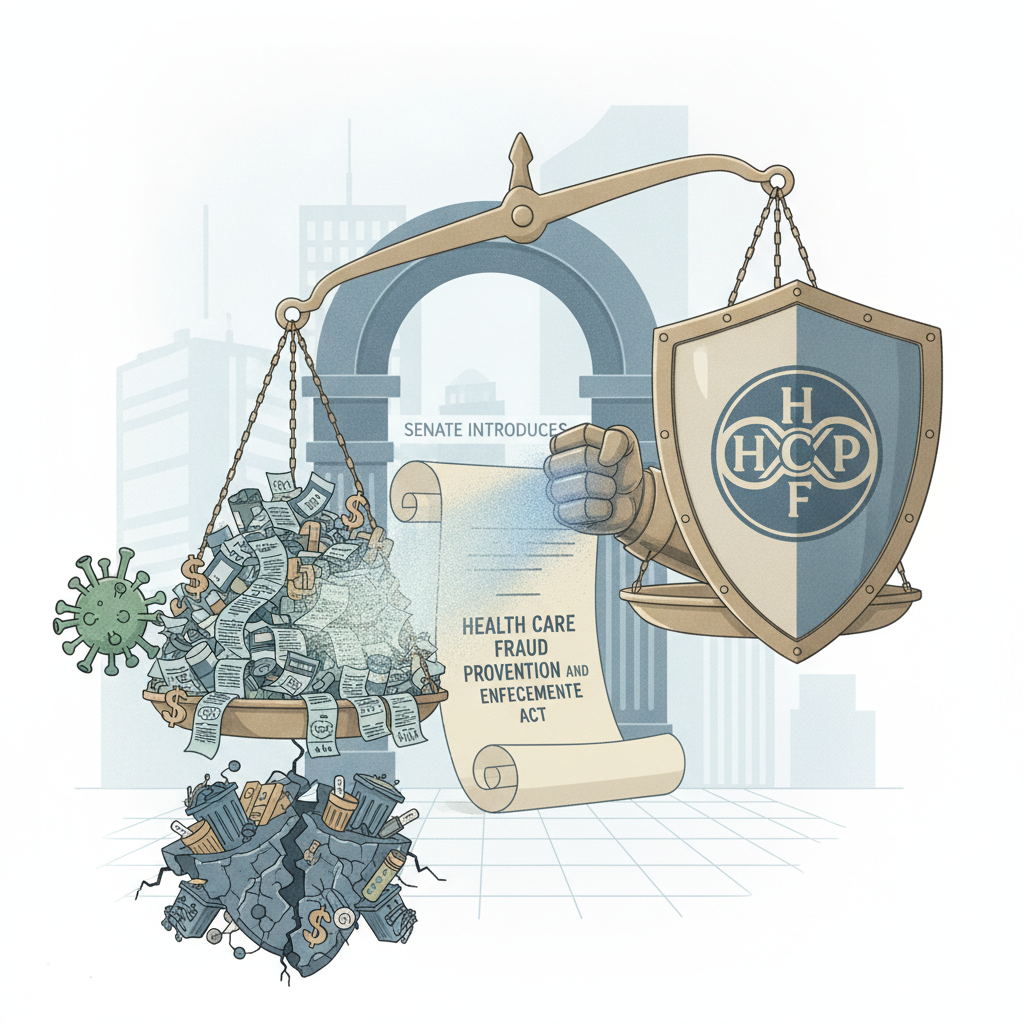
NewsWK — Federal lawmakers in Washington have introduced new legislation, designated as Senate Bill 5326, titled the Health Care Fraud Prevention and Enforcement Act. The measure represents the latest congressional effort to crack down on improper payments, fraudulent billing schemes, and systemic abuse within government healthcare programs, focusing on strengthening statutory oversight and law enforcement authority.
Why it matters here
For taxpayers across the nation, improper payments and fraudulent claims in federally funded healthcare systems represent a massive drain on public resources. Programs like Medicare and Medicaid are funded directly through federal tax revenues and payroll contributions. When bad actors exploit these systems through phantom billing, kickbacks, or fraudulent claims, American families bear the ultimate cost through higher national debt and stretched federal budgets. Ensuring strict accountability and enforcement helps safeguard taxpayer money while preserving funding for legitimate medical services.
Strengthening Enforcement Against Federal Healthcare Abuse
The introduction of S. 5326 comes as federal inspectors general and law enforcement agencies confront increasingly complex fraud networks. Healthcare fraud has evolved beyond simple overbilling to encompass sophisticated cyber-enabled fraud, illegal kickback operations involving billing companies and medical suppliers, and large-scale identity theft involving provider and patient credentials.
While the full text and committee assignments for Senate Bill 5326 proceed through official legislative publishing channels, statutory initiatives of this nature target key vulnerabilities in program integrity. Standard legislative approaches in federal healthcare fraud prevention focus on several critical areas:
- Enhanced Civil and Criminal Penalties: Increasing statutory fines, asset forfeiture provisions, and potential sentences for individuals and corporate entities convicted of defrauding federal healthcare funds.
- Advanced Data Analytics: Expanding predictive modeling and real-time data sharing across the Department of Health and Human Services (HHS), the Centers for Medicare & Medicaid Services (CMS), and the Department of Justice (DOJ) to flag suspicious billing trends before payments are disbursed.
- Provider Screening and Credentialing Integrity: Implementing background checks and heightened vetting standards for healthcare entities and medical equipment suppliers enrolling in federal health plans.
- Interagency Enforcement Coordination: Strengthening joint law enforcement operations and specialized task forces to accelerate investigations and federal prosecutions.
Fiscal Integrity and Government Accountability
Nonpartisan oversight bodies, including the Government Accountability Office (GAO), consistently designate federal healthcare spending as a high-risk area susceptible to widespread waste and improper payments. Improper claims across Medicare and Medicaid account for tens of billions of dollars in lost taxpayer funds each year, drawing sustained scrutiny from lawmakers focused on fiscal discipline and government transparency.
Accountability advocates and fiscal conservatives have long argued that eliminating waste, fraud, and administrative abuse must be a central priority in stabilizing federal budget deficits. By equipping federal prosecutors with sharper enforcement tools and requiring administrative agencies to enforce strict auditing standards, legislative proposals like S. 5326 aim to deter criminal operations and recover stolen public funds through mandatory restitution order enforcement.
Next Steps in the Legislative Process
As S. 5326 advances through the United States Senate, it will be referred to the appropriate Senate standing committee—such as the Committee on Finance or the Committee on the Judiciary—for review, committee hearings, and potential amendment markup sessions. Lawmakers will examine how the proposal interacts with existing federal authorities, including the False Claims Act and civil monetary penalty provisions under the Social Security Act.
Taxpayers, healthcare providers, and policy analysts will monitor the bill’s legislative trajectory to assess its balance between robust anti-fraud enforcement and manageable administrative compliance standards for law-abiding healthcare professionals.
This article was produced with the assistance of AI and reviewed by our editorial team.